Johann – Bill Nelson

Johann reviews

Bill Nelson — The Love That Whirls (Diary of a Thinking Heart)

There are albums one admires.

There are albums one enjoys.

And occasionally there is an album that seems to have constructed its own private universe and quietly invites you inside.

The Love That Whirls is one of those.

I bought The Love That Whirls in 1982, around the time my parents split up. It was one of the first records I chose for myself in a suddenly altered world, and I have loved it ever since.

Recorded during 1981 and released the following year, it marked a distinct shift in Bill Nelson’s solo work: polished, electronic, romantic and thoroughly modern, yet never sterile. Nelson created almost everything himself, which perhaps explains why the record feels so completely inhabited by one imagination.

It is not simply an album containing songs and instrumentals.

It is an album where the songs appear to be dreaming the instrumentals into existence.

The vocals give us desire, intimacy, language and character.

The instrumentals give us memory, space, colour and those strange inner rooms words cannot quite enter.
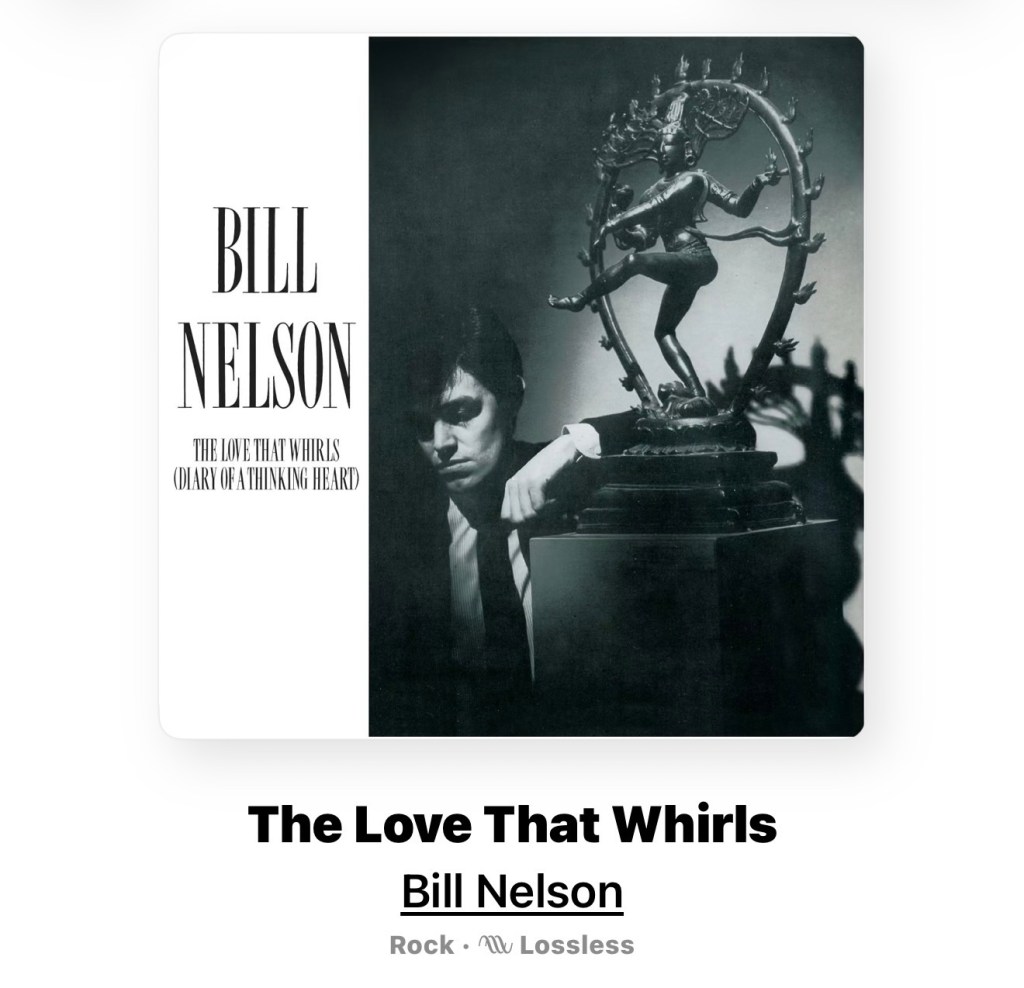
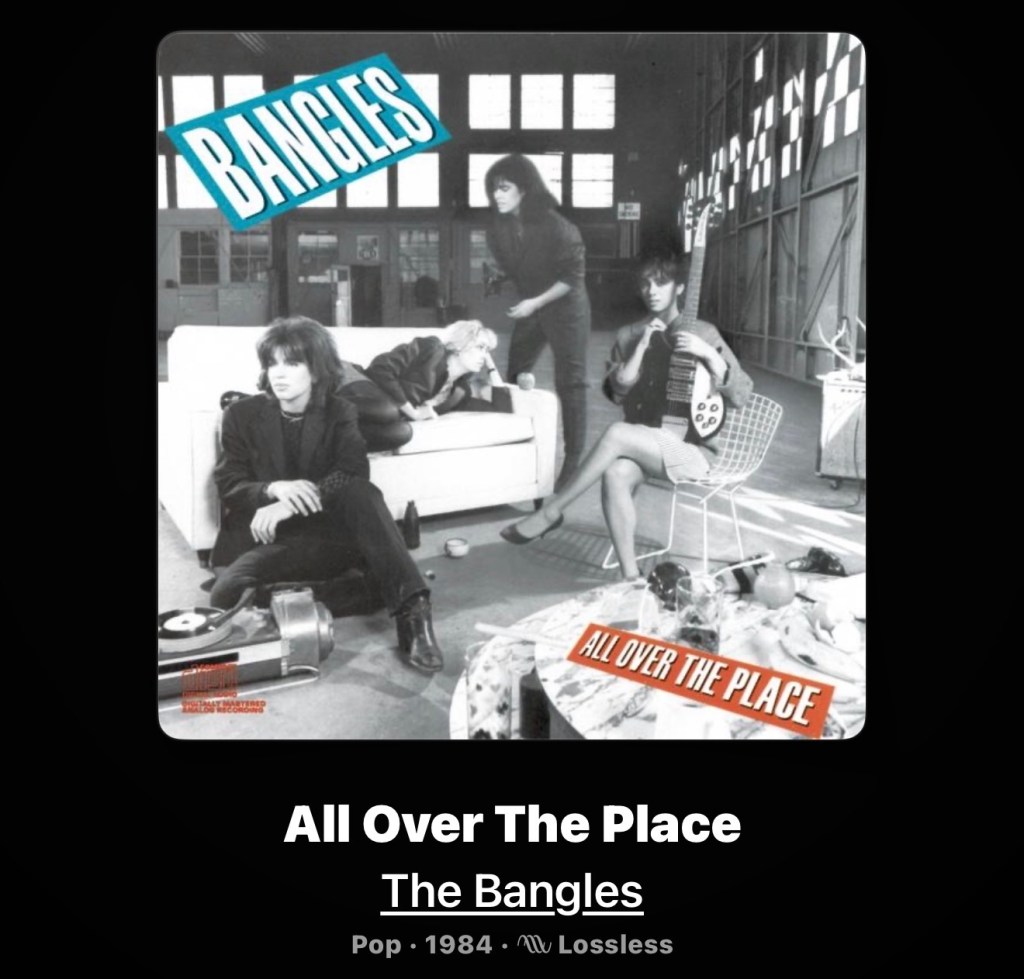
The Love That Whirls — Bill Nelson. Album artwork from my own music library.

Website – https://www.billnelson.com/

The songs

The October Man may be the album’s quiet masterpiece.

There is a maturity to it that separates it from straightforward synth-pop romanticism. Autumn here feels less like decoration than a state of mind: beauty experienced with full awareness that time is moving.

That is what gives the song its weight.

It is not melancholy exactly.

It is consciousness.

Eros Arriving introduces desire almost ceremonially. The title sounds mythic because Nelson treats erotic feeling as something larger than appetite — a force entering the room.

Flaming Desire is more immediate, but still beautifully controlled. Nelson somehow manages to make a title that could have belonged to the most overwrought song imaginable sound elegant.

A Private View is intimate in precisely the right way: suggestive rather than explanatory.

And Hope for a Heartbeat brings something brighter — melodic, human, almost buoyant — without breaking the album’s atmosphere.

The fact that both Eros Arriving and Flaming Desire were singles makes perfect sense. They are among the most accessible entrances into Nelson’s strange little palace.

The instrumentals

This is where The Love That Whirls becomes something more interesting than an excellent collection of songs.

Waiting for Voices feels suspended between thought and speech.

The title alone is wonderful: an instrumental about waiting for something to be spoken.

Portrait of Jan With Flowers behaves almost like a painting. It is still, tender and observant. Nothing needs to happen because the act of looking is the event.

And then there is When Your Dream of Perfect Beauty Comes True.

That title could almost serve as a manifesto for the entire album.

Because Nelson seems fascinated not simply by beauty, but by the pursuit of it — the image formed in the mind before reality intrudes.

The music exists in that brief, exquisite interval.

The love that whirls

Knowing Nelson’s explanation of the title adds another layer.

The whirling dervish does not turn because it is dizzy.

It turns as an expression of devotion.

Love becomes motion.

Motion becomes transcendence.

That idea runs throughout the record: desire constantly transforming into something else — beauty, memory, spirituality, imagery, sound.

Which explains why the instrumentals belong so naturally beside the songs.

The words describe love.

The instrumentals whirl around it.

There is also the Kenneth Anger connection: cinema, occult imagery, sensuality and dream logic.

Suddenly the album’s atmosphere becomes even clearer.

This is pop music viewed through a private cinema.

My favourites make an unusually good map of the record

The vocal tracks I chose —

The October Man
Eros Arriving
Flaming Desire
A Private View
Hope for a Heartbeat

— give us Nelson the songwriter.

The instrumentals —

Waiting for Voices
Portrait of Jan With Flowers
When Your Dream of Perfect Beauty Comes True

— give us Nelson the image-maker.

And I think that distinction is precisely why I love the album.

You are not being asked to choose between a song album and an instrumental album.

You get both.

Better still, each makes the other more effective.

Johann’s verdict

★★★★★

Johann closes the record sleeve.

“One should be wary of any man promising perfect beauty. Fortunately, Mr Nelson merely provides the soundtrack for its arrival.”

Years afterwards, I would meet Bill Nelson himself.

Johann – The Bangles

Johann listens: The Bangles — All Over the Place (1984)

There is something wonderful about meeting a band just before the world decides what it thinks they are.

Before Manic Monday. Before Walk Like an Egyptian. Before enormous choruses and immaculate MTV pop, there was All Over the Place: guitars, harmonies, a little garage-rock scruffiness and four musicians sounding as though they are having an extremely good time discovering exactly what sort of band they might become.

And I think I prefer them slightly unfinished.

This record doesn’t stride into the room demanding attention. It catches your sleeve.

Then, about three songs later, you realise you’ve followed it.

Album artwork from my own music library.

https://www.thebangles.com/

1. Hero Takes a Fall

Well, that’s how you open an album.

Bright guitars, glorious harmonies and just enough bite beneath the sweetness. The Bangles already understand something important: jangling guitars don’t have to mean politeness.

The melody sparkles while the lyric quietly sticks the knife in.

Very civilised.

Johann says: ★★★★½

2. Live

A lovely continuation rather than a dramatic gear change. There’s a distinctly 1960s spirit here, but it doesn’t feel like four people playing dress-up in somebody else’s decade.

Instead, they take those old colours — Byrds, garage pop, harmonies — and repaint them.

I particularly like the looseness. Later Bangles records would become much shinier. Here I can still hear the edges.

★★★★

3. James ⭐

Oh.

There you are.

This is one of those songs that initially appears almost modest beside the bigger tracks, and then somehow becomes the one you keep returning to.

The harmonies are gorgeous, but it’s the melody Johann falls for: wistful without becoming sentimental, intimate without becoming fragile. There’s something slightly unresolved about it, as though we’re walking past somebody else’s memory rather than being told the entire story.

And perhaps that’s exactly why it works.

No huge production. No grand announcement.

Just a beautiful little song.

★★★★★ — Johann favourite

4. All About You

Pure momentum.

The guitars have that glorious slightly compressed garage-pop chime, and the vocal harmonies give everything lift. It’s difficult to sit entirely still through this one.

There is an important distinction between simple and effortless.

The Bangles make this sound effortless.

★★★★½

5. Dover Beach ⭐

Now this is more interesting.

The title immediately brings Matthew Arnold’s poem into the room, whether intentionally invited or not — sea, distance, uncertainty, melancholy — and the song somehow carries a little of that emotional atmosphere without becoming solemn.

There’s a wonderful tension between the music’s brightness and something more reflective underneath it.

This is exactly the sort of song Johann notices.

Everyone else has finished saying, “That was nice,” and moved on.

Johann is still staring out of the window.

★★★★★ — Johann favourite

6. Tell Me

Perhaps one of the less immediately distinctive tracks, but that’s slightly unfair because the quality level here is remarkably consistent.

Another excellent piece of guitar pop, tightly constructed and beautifully sung.

On another band’s album this might be a highlight.

Here it has to compete with James and Dover Beach.

Unfortunate positioning, really.

★★★½

7. Restless

Appropriately named.

There’s more nervous energy here — a little urgency enters the record and stops all that jangling prettiness becoming comfortable.

That is one of All Over the Place’s strengths: it never becomes wallpaper.

Something is always tugging underneath.

★★★★

8. Going Down to Liverpool ⭐

And then this happens.

Written by Kimberley Rew of Katrina and the Waves, it sounds as though it had been waiting for The Bangles to find it.

There’s a peculiar contradiction in the song that Johann loves: the music is ridiculously inviting while the words suggest boredom, unemployment and having absolutely nothing productive to do.

Going down to Liverpool to do nothing.

One of pop music’s better career plans.

The Bangles turn that listlessness into something almost euphoric. Susanna Hoffs’ vocal is beautifully understated, the harmonies glide in behind her, and the whole thing rolls along with that peculiar magic possessed by records that seem simpler the more closely you examine them.

This is the one Johann plays again before continuing.

Possibly twice.

★★★★★ — Johann favourite

9. He’s Got a Secret

And suddenly the sunshine gets a little darker.

There’s an uneasiness here that I like enormously. The guitars remain pretty, the harmonies remain immaculate, but the emotional atmosphere has shifted.

The Bangles were much better at shadows than their later pop-star reputation sometimes suggests.

★★★★½

10. Silent Treatment

Short, sharp and slightly tougher.

By this point the album has established its vocabulary so thoroughly that the band can play with tiny variations — more attack here, a darker harmony there — without abandoning what makes the record coherent.

Again: those guitars.

★★★★

11. More Than Meets the Eye

A beautifully unexpected ending.

Instead of finishing with another jangling sprint, All Over the Place becomes quieter and more contemplative. It feels almost like the lights being turned down after everyone else has left.

And suddenly that slightly throwaway album title begins to make sense.

The record has been all over the place — garage rock, pop, melancholy, psychedelia, folkish harmonies — but never chaotically so.

There was a thread connecting everything.

We just didn’t notice it until the end.

★★★★½


Johann’s view

All Over the Place isn’t the sound of The Bangles perfected.

That’s precisely why I love it.

Later albums would contain bigger singles, larger productions and songs almost everybody knows. But something was inevitably lost when the edges were polished.

Here they still sound like a band.

Four people, guitars, harmonies and an enormous pile of records somewhere behind them: 60s garage rock, folk-rock, psychedelia, power pop. You can hear influences everywhere, yet the personality emerging from them is already unmistakably their own.

And at only about half an hour, it doesn’t outstay its welcome by even thirty seconds.

No filler disguised as importance.

No seven-minute statement of artistic intent.

Just eleven songs.

Then out.

Johann approves enormously.

Johann’s three to take home

🥇 James — the quiet one that somehow gets under the skin.
🥈 Dover Beach — jangling pop staring thoughtfully towards the horizon.
🥉 Going Down to Liverpool — magnificent music about achieving absolutely nothing.

Johann rating: 9/10

And I think this might make a particularly good 

Johann – Boulevard des Airs

I love roller-skating in the park, especially when I am listening to some great music.

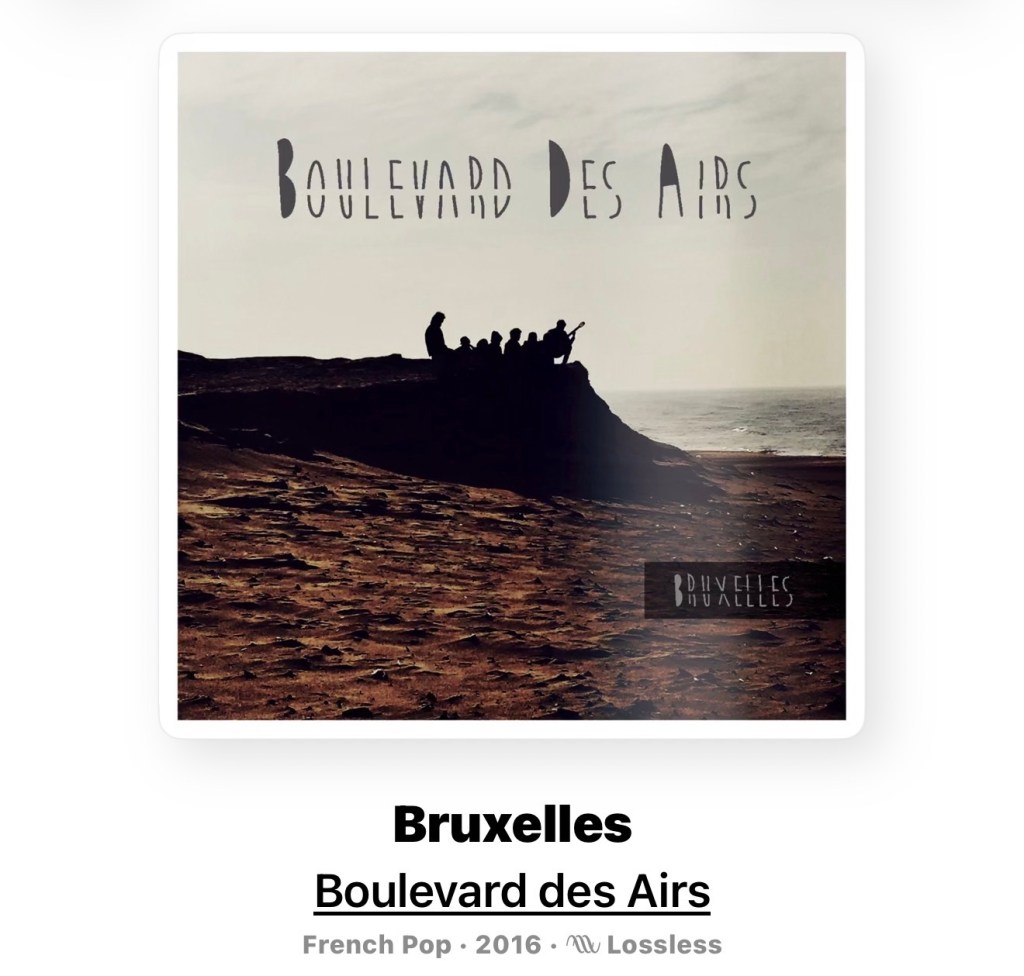
Today I am listening to Bruxelles by Boulevard des Airs.

The way they weave & structure the tunes makes me think I’m in a world of my own.

I especially love to listen to Demain de bon matin, J’nous imagine and the title track Bruxelles ….. sigh!!

Album artwork from my own music library.

⭐ Overview — Bruxelles as a whole

Takeaway: Bruxelles is a panoramic, human album — a blend of French pop, folk, world‑music inflections, and lyrical intimacy. Boulevard des Airs craft a record that feels like a long walk through a city at golden hour: reflective, warm, occasionally political, often romantic, and always communal.

The album’s strength lies in its variety without fragmentation. You move from soft lullabies to brass‑driven street‑festival energy, from introspective ballads to multilingual collaborations. It’s an album that feels lived‑in, like a travel diary written by friends who never stop singing.


  1. Si je m’endors mon amour (Intro)

A gentle curtain‑raiser — whispered, intimate, almost like someone leaning in to tell you a secret. It sets the emotional tone: tenderness first, spectacle later.

  1. Si je m’endors mon amour

The full bloom of the intro. A soft, swaying love song with BDA’s signature acoustic warmth. The brass is restrained, letting the vocals carry the vulnerability.

  1. Emmène‑moi

A fan favourite. Upbeat, bright, and built for singing along. The rhythm section gives it a travelling‑song feel — fitting for a track about being carried away, emotionally or literally.

  1. Demain de bon matin (feat. ZAZ)

ZAZ’s smoky, expressive voice adds texture. The song dances between folk and chanson, with a hopeful, forward‑looking energy. A standout collaboration.

  1. Tu danses et puis tout va

A gentle groove. It’s one of those deceptively simple BDA tracks: light on the surface, quietly emotional underneath. Movement as healing.

  1. J’nous imagine

Dreamy and reflective. The lyrics sketch out imagined futures, and the arrangement mirrors that sense of drifting possibility.

  1. Ce gamin‑là

A socially conscious track — BDA at their storytelling best. It’s tender without being sentimental, with a melody that feels like a hand on the shoulder.

  1. On se regarde

A quieter moment. The song is built around emotional stillness — two people looking at each other, everything unsaid hanging in the air.

  1. Bruxelles

The emotional centrepiece. Melancholic but expansive, with a chorus that opens like a city square. It’s reflective, nostalgic, and beautifully arranged.

  1. Mentira

Spanish‑language fire. A rhythmic, percussive track that adds international colour to the album. It’s sharp, catchy, and politically tinged.

  1. Je resterai

A promise set to music. Steady, warm, and reassuring — one of the album’s emotional anchors.

  1. Laisser faire

Relaxed, breezy, almost coastal. It’s a “let things be” song, and the arrangement mirrors that philosophy with soft brass and gentle percussion.

  1. Quiero Soñar (feat. Pulpul de SKA‑P)

A burst of ska‑infused energy. Pulpul’s presence electrifies the track, giving it a rebellious edge. It’s the album’s most political moment.

  1. Lo Vamos a Intentar

A hopeful Spanish closer. It feels like a farewell wave from the band — optimistic, rhythmic, and full of sunlight.


This particular version of the album has been extended with live tracks, remixes and acoustic versions.

These versions deepen the album’s emotional palette:

  • Emmène‑moi (feat. L.E.J) — Acoustic — stripped back, harmonically rich.
  • Bruxelles — Acoustic — even more intimate; the song becomes a confession.
  • Ce gamin‑là — Remix — adds punch without losing heart.
  • Demain de bon matin — Live — ZAZ’s energy shines.
  • Tu danses et puis tout va — Live — more joyful, more communal.
  • Ce gamin‑là (feat. Vianney) — Vianney’s voice adds a new emotional layer.
  • Tu m’emmènes (Inédit) — a lovely surprise; fresh but unmistakably BDA.
  • Emmène‑moi (feat. A Filetta) — Corsican polyphony meets French pop — a gorgeous fusion.

🌅 Final Thoughts

Bruxelles is an album about connection — between people, languages, cities, and emotions. It’s warm, human, and full of life. Boulevard des Airs manage to make every track feel like part of a shared journey.

Johann – Tim Curry

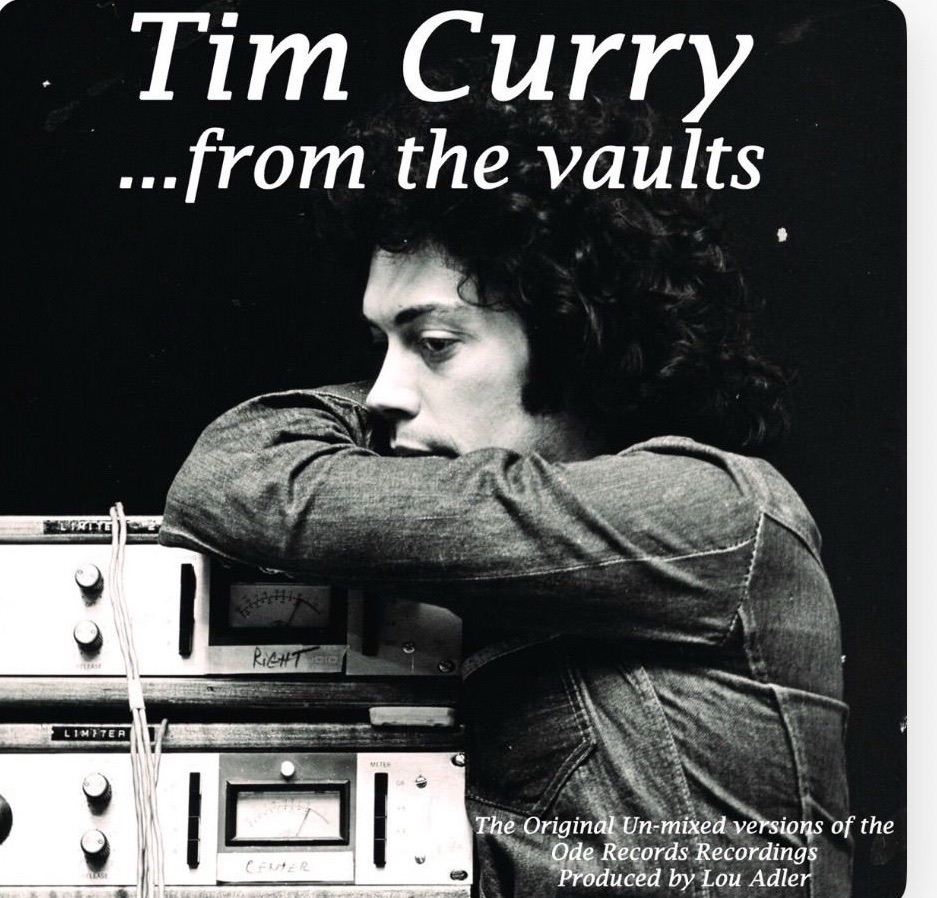
Today, I am reflecting on Tim Curry, with his passing on 25th August, 2026.

The album I will be listening to is from 1976, …from the vaults.

⭐ Overall Takeaway

The album feels like Tim Curry before the spotlight fully hardened around him — exploratory, mischievous, and unvarnished. These unmixed versions have a grain, a room‑tone, a sense of process that makes the whole thing feel like a backstage pass to 1976.


🔹 1. Just Fourteen

A strange, tender, slightly dangerous little number. Curry leans into his talent for narrative mischief, delivering a vocal that’s half‑croon, half‑wink. The unmixed quality gives it a smoky, rehearsal‑room intimacy — you can almost hear the musicians watching him, waiting for the next twist.

This track shows the embryonic form of the theatrical persona he’d later sharpen in Fearless and Simplicity.
A tribute to the moment an actor discovers he can be a storyteller in song.


🔹 2. Cold Cold World

Here Curry goes full lonely‑bar‑philosopher, with a vocal that feels worn at the edges. The instrumentation is sparse, almost brittle, which lets his voice carry the emotional weight.

There’s a proto‑new‑wave chill here — a sense of alienation that predates the icy synth aesthetics of the early ’80s.
A tribute to the way Curry could make melancholy feel glamorous.


🔹 3. We Went As Far As We Felt Like Going

This is Curry in rambling raconteur mode — a road‑movie vignette disguised as a pop track. The unmixed version gives it a loose, almost jam‑session feel, like the band is discovering the song as they play it.

It’s playful, wandering, and full of character.
A tribute to Curry’s ability to turn a simple lyric into a cinematic moment.


🔹 4. Spaceship Races

A delightful oddity — Curry embracing the whimsical, cosmic side of ’70s pop. There’s a childlike wonder in the melody, but he grounds it with a sly, knowing vocal.

This track feels like a precursor to the surreal humour he’d later bring to his more flamboyant roles.
A tribute to the way he could make even a space‑race sound like theatre.


🔹 5. Girls

A swaggering, tongue‑in‑cheek rocker. Curry leans into his cabaret‑punk energy here — playful, exaggerated, knowingly performative.

The unmixed quality gives it grit, which actually suits the song better than a polished studio sheen would.
A tribute to Curry’s ability to parody desire while still sounding irresistibly charismatic.


🔹 6. Meet Mr. Blue

A standout. Curry slips into a noir‑ish persona, half‑detective, half‑fallen angel. The track has a smoky, late‑night feel — the kind of song you’d hear in a bar where the neon flickers.

This is Curry’s theatricality at its most controlled and elegant.
A tribute to his gift for character‑driven singing.


🔹 7. Biting My Nails

Sharp, nervy, and jittery — almost proto‑punk in its energy. Curry’s vocal is clipped and anxious, perfectly matching the theme.

This track shows how comfortable he was with emotional extremes, even in early sessions.
A tribute to the restless, electric side of his artistry.


🔹 8. Baby Love

A warm, slightly off‑kilter love song. Curry avoids sentimentality and instead gives us something more human — affectionate, imperfect, and charmingly theatrical.

The unmixed version lets his voice sit closer to the listener, almost conversational.
A tribute to Curry’s ability to make sincerity feel stylish.


🔹 9. White Cadillac

The closer — and it feels like one. A dusty‑highway track with swagger and a hint of danger. Curry’s vocal is confident, relaxed, and full of character.

It’s the kind of song that makes you imagine him leaning against the hood of the titular Cadillac, cigarette in hand, telling a story he hasn’t quite decided how to end.
A tribute to the cinematic Tim Curry, the storyteller, the wanderer.


🎖️ Final Tribute

…from the Vaults isn’t just an archival curiosity — it’s a glimpse of Tim Curry before the world fully understood what he was capable of. These tracks show the raw clay of his artistry: theatrical, mischievous, melancholy, cosmic, noir‑ish, and always unmistakably him.